
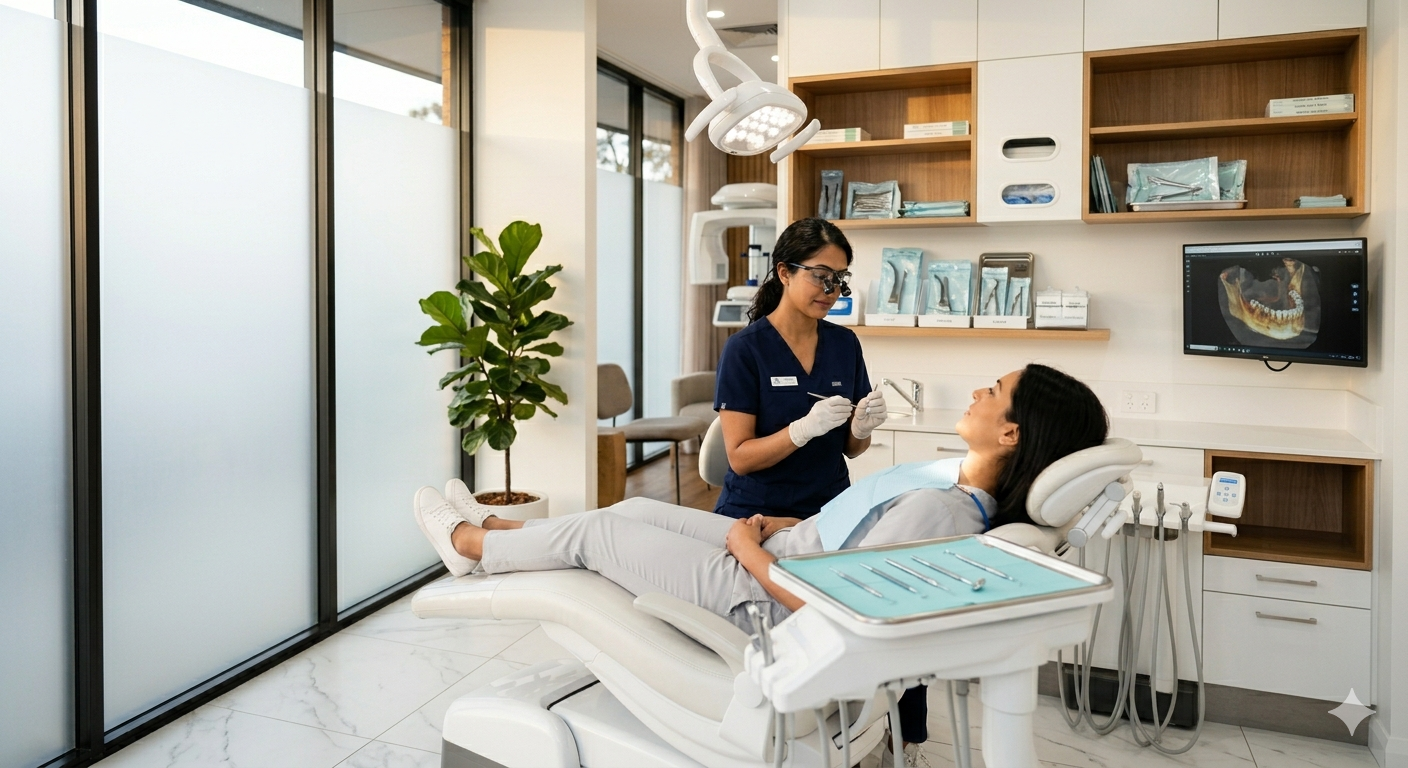
Early orthodontic treatment in Palmdale, CA, focuses on guiding a child’s growing teeth and jaw to develop properly. This approach can prevent more serious dental problems later on by addressing issues as they arise, rather than waiting until all the permanent teeth are in place. It’s designed to make future treatments easier and often shorter.
Parents often wonder if their child really needs early orthodontic care or if they should wait. Orthodontists in Palmdale emphasize gentle, customized care that keeps kids comfortable while working with their natural growth patterns. Early check-ups help identify potential concerns and offer straightforward options.
Taking action sooner can mean less complicated treatment and a healthier smile overall. If questions come up, families are encouraged to reach out and learn about personalized plans designed to keep their child’s smile strong and confident.
Why Early Evaluation Matters
Early orthodontic evaluation sets the stage for smoother treatment and better dental health. When done at the right time, it allows specialists to catch issues early, making treatment less invasive and more effective.
Benefits of a Proactive Approach
Starting orthodontic care early helps guide jaw growth and tooth development, often preventing more serious problems later. For a child in Palmdale, this means avoiding extractions or complex braces in the future.
Parents can expect fewer surprises when they take a proactive route. Early evaluation gives the orthodontist a chance to monitor changes closely, adjusting the plan as the child grows. It reduces treatment time and eases discomfort, leading to a more positive experience for the child.
Detecting Developmental Concerns
Certain conditions, like crossbites or crowding, start to show signs before all adult teeth arrive. Identifying these early can reduce the risk of speech problems, difficulty chewing, or uneven wear on teeth.
With an early checkup, the orthodontist can spot habits like thumb-sucking or mouth breathing that affect jaw alignment. Addressing these behaviors early helps avoid complicated corrections later on.
Optimal Timing for Assessment
The American Association of Orthodontists recommends the first evaluation by age 7. At this age, enough permanent teeth have emerged to evaluate bite and jaw relationships accurately.
Early timing ensures that treatment can begin if necessary, while there’s still time to influence growth. This window provides the best chance to guide tooth eruption and jaw development naturally, minimizing future intervention.
Signs Your Child May Need Orthodontic Attention
Early orthodontic concerns often show up in ways parents might notice during daily routines. These signs can involve visible dental issues or jaw development problems that can affect a child’s comfort and oral health.
Common Clues in Childhood Smile
Parents might spot crowded or crooked teeth before all baby teeth have fallen out. When teeth overlap or there are noticeable gaps, it’s a signal to consider orthodontic evaluation. Early loss of baby teeth or difficulty chewing can also be important clues.
Other signs include a persistent thumb-sucking habit or mouth breathing, which may influence tooth alignment. If a child frequently bites their cheek or tongue, this might reflect uneven tooth positioning that needs professional attention.
How Jaw Alignment Impacts Growth
Jaw alignment affects more than just appearance; it influences breathing, speech, and overall facial structure. When jaws do not align properly, a child might experience difficulty biting or chewing, which can impact nutrition and comfort.
Conditions like underbites, overbites, or crossbites may cause uneven jaw growth. Early detection allows orthodontists to guide jaw development, reducing the risk of more invasive treatments later. It’s important to watch for facial asymmetry or the jaw shifting when the mouth opens or closes, as these suggest jaw issues.
Modern Treatment Options for Young Patients
Early orthodontic care today uses innovative approaches that focus on comfort and effectiveness. Treatments are designed to fit children’s unique needs, helping guide jaw growth and straighten teeth with less discomfort and more flexibility.
Gentle Braces for Kids
Gentle braces for young patients use smaller, smoother brackets and lighter wires than traditional braces. These are made from materials designed to reduce irritation and fit a child’s mouth comfortably. The goal is to correct developing dental issues without causing unnecessary pain or anxiety.
These braces work gradually to align teeth and adjust jaw position. They are custom-fitted and monitored regularly to ensure progress matches the child’s growth patterns. Parents often appreciate how gentle braces accommodate active lifestyles and help kids maintain good oral hygiene.
Clear Aligners for Young Smiles
Clear aligners are a popular option for early orthodontic treatment, especially for kids who want a less noticeable solution. These removable trays gently shift teeth over time and are easy to keep clean. Aligners encourage better brushing and flossing habits since they can be taken out during meals and teeth cleaning.
Orthodontists specializing in pediatric care create custom aligner sets that fit growing mouths, ensuring safety and effectiveness. This option suits families looking for modern, discreet treatment without the limitations of traditional braces. Clear aligners also usually involve fewer office visits, which is convenient for busy schedules.
The Process of Getting Started in Palmdale
Beginning early orthodontic treatment in Palmdale involves a clear, straightforward pathway designed to make families feel comfortable and informed. From the first contact to the initial examination, each step is focused on understanding the child’s needs and laying the foundation for healthy dental development.
Initial Consultation Experience
During the initial consultation, the orthodontist gathers detailed information about the child’s dental and medical history. This includes questions about bite, jaw development, and any concerns the parents might have noticed, such as crooked teeth or difficulty chewing.
A gentle oral exam follows, allowing the orthodontist to assess tooth position and jaw growth visually. They often take digital X-rays or photos to get a more complete picture without discomfort or long waits.
This visit is also a chance for parents and kids to ask questions. The orthodontist explains why early treatment may or may not be beneficial at this stage, helping families understand timing and goals. Comfort and trust are priorities to make future visits easier for the child.
What to Expect at Your First Visit
At the first official treatment visit, the orthodontist creates a personalized plan based on the initial findings. This often starts with fitting the child for devices like braces or aligners if needed, or scheduling regular check-ups to monitor growth.
The team carefully explains how to care for any appliances and what to expect in terms of comfort and routine. They emphasize preventive steps, like good brushing habits and avoiding hard or sticky foods, to protect new appliances and promote oral health.
Appointments are designed to be quick and welcoming, with staff helping children feel at ease. Through clear guidance and support, the process encourages families to take confident steps toward a healthier smile.
Supporting Your Child During Treatment
Helping a child through early orthodontic treatment means focusing on comfort and building good habits. Small adjustments at home can ease discomfort, while encouragement helps maintain healthy oral care routines important for effective results.
Comfort Tips for Home Care
Pain and soreness are common early in treatment. Using over-the-counter pain relievers like ibuprofen can help reduce discomfort after adjustments. Applying a cold compress to the outside of the mouth also soothes swollen areas.
Soft foods such as yogurt, mashed potatoes, and soups are easier to eat when braces or appliances cause tenderness. Avoiding sticky, hard, or crunchy snacks prevents damage to orthodontic devices.
Orthodontic wax is a simple tool that protects lips and cheeks from irritation caused by metal brackets or wires. It’s easy to apply and can be replaced as needed throughout the day for continued comfort.
Encouraging Positive Oral Habits
Maintaining excellent oral hygiene is key during orthodontic treatment. Children should brush teeth thoroughly at least twice a day using a soft-bristled toothbrush and fluoride toothpaste. Special orthodontic brushes or interdental brushes help clean around brackets and wires.
Flossing daily keeps gaps between teeth free from plaque build-up. Using floss threaders can make this task easier for kids wearing braces. Limiting sugary foods and drinks reduces the risk of cavities and staining during treatment.
Parents can play a big role by making oral care a fun, consistent routine with rewards or charts to track progress. Supportive reminders encourage children to keep up these habits, protecting their smile throughout the treatment period.
Partnering With Palmdale Specialists
Early orthodontic treatment in Palmdale often involves teamwork. Local dentists work closely with orthodontists who specialize in growing smiles to provide the best care. This collaboration ensures timely assessments and personalized treatment plans.
Specialists bring advanced knowledge about teeth and jaw development. They use modern tools to spot issues early, which can simplify or shorten treatment later. By sharing insights, they create a smoother experience for young patients.
Families benefit from this partnership because it offers convenience and clarity. Appointments are coordinated to reduce disruptions. Plus, parents receive clear explanations about each step and what to expect.
Here’s how the process usually works:
- Initial dental exam by the family dentist
- Referral to a Palmdale orthodontist if early treatment is recommended
- Joint review of treatment options
- Regular follow-ups to track progress together
Together, dental and orthodontic teams focus on comfort and care, helping kids feel confident and at ease. If early signs of orthodontic needs arise, consulting these specialists can lead to more successful outcomes and healthier smiles.
Long-Term Benefits for Lifetime Oral Health
Early orthodontic treatment in Palmdale, CA, sets the stage for healthier teeth and gums throughout life. By addressing alignment issues during childhood, it helps guide the proper growth of jaws and spacing of teeth. This reduces the risk of more serious problems later on.
One major benefit is improved oral hygiene. Straight teeth are easier to clean, which lowers the chance of cavities and gum disease. Kids who start treatment early often develop better brushing and flossing habits because their teeth are more accessible.
Another advantage is preventing wear and tear on teeth. Misaligned bites can cause uneven pressure, leading to cracks or excessive wear. Early intervention corrects bite issues, protecting the enamel and preventing uncomfortable jaw pain.
Key lifelong benefits include:
- Reduced risk of tooth decay
- Lower chances of gum disease
- Prevention of jaw joint problems
- Enhanced self-confidence with a great smile
Modern early treatment methods focus on comfort and effectiveness. Palmdale dentists use gentle approaches that avoid discomfort and help kids feel at ease.
If a child shows signs of crooked teeth or bite issues, consulting an orthodontic specialist early can make a big difference. Early care often means simpler, quicker treatment with better results in the long run.
Frequently Asked Questions
Understanding the right timing, signs, and treatment options for early orthodontic care can help parents feel confident about their child’s dental health. Payment flexibility and treatment length are also important factors for families planning ahead.
At what age should my child have their first orthodontic evaluation?
The American Association of Orthodontists recommends children see an orthodontist by age 7. At this stage, the specialist can identify potential problems with jaw growth and tooth development early.
What are the early signs that my child may need orthodontic treatment?
Visible crowding, difficulty biting or chewing, thumb sucking beyond age 5, and early or late loss of baby teeth can be signs. Uneven jaw growth or speech difficulties may also indicate the need for an evaluation.
What’s the difference between early (Phase 1) treatment and braces in the teen years?
Phase 1 treatment focuses on correcting jaw alignment and guiding permanent teeth into better positions. Teen braces usually address final alignment and spacing once most adult teeth have come in.
How long does early orthodontic treatment typically take, and what happens afterward?
Early treatment usually lasts 9 to 18 months. After this phase, there may be a break before full braces or other treatments to fine-tune tooth alignment.
What treatment options are available for younger kids besides traditional braces?
Options include removable expanders, partial braces, and sometimes clear aligners designed for mixed dentition. These aim to gently guide growth without the need for full braces yet.
Are there affordable payment plans available for orthodontic treatment, such as monthly payments?
Many orthodontic offices in Palmdale offer flexible payment plans. These often include low or no-interest monthly installments to make treatment manageable for families.