
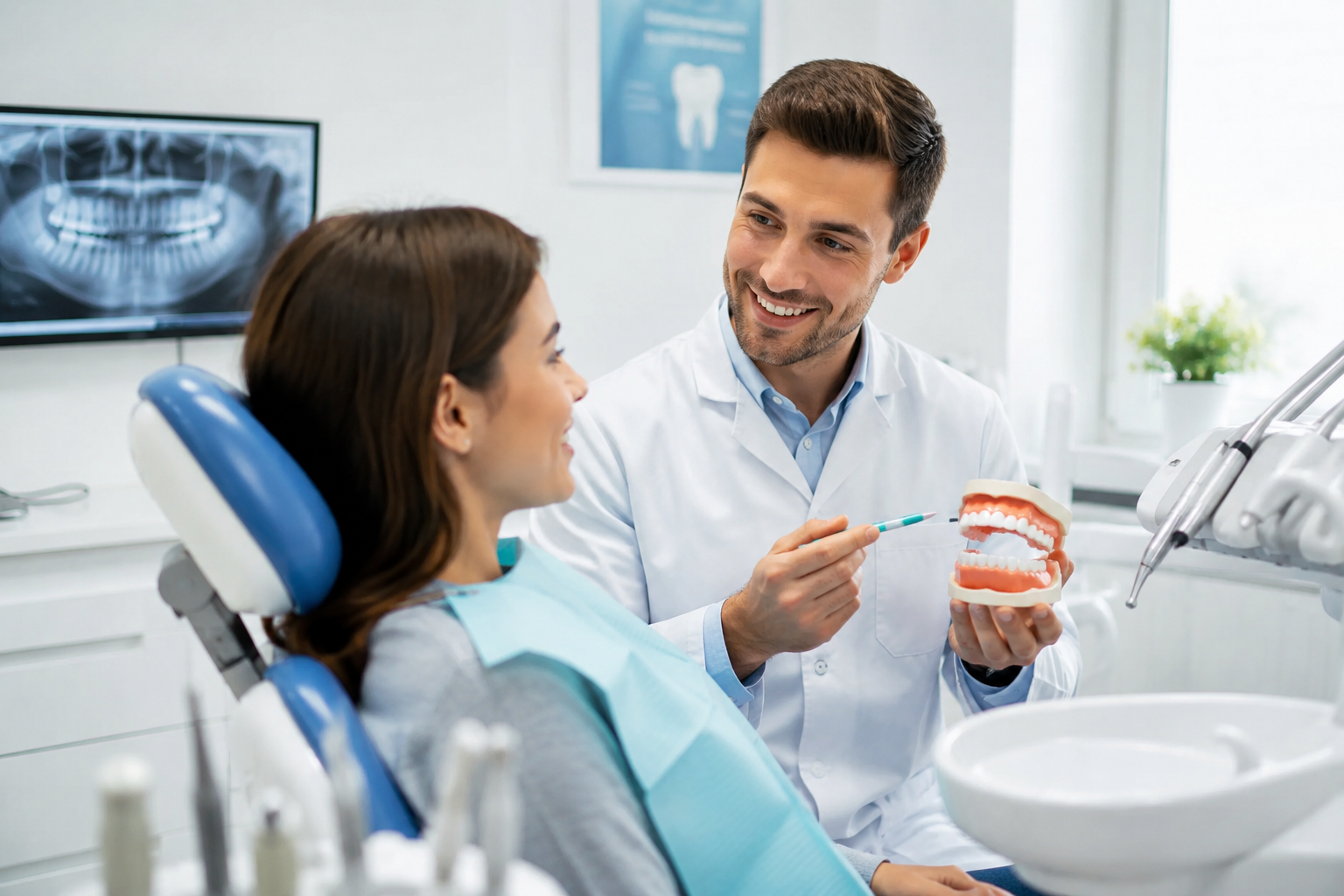
You face a dental emergency in Palmdale, and quick, calm action matters for pain relief and saving teeth. If you need immediate care, Palmdale emergency dentists offer same-day treatment, pain control, and clear next steps to stabilize your situation.
They explain what qualifies as a true emergency, walk you through what to do before you arrive, and provide modern treatments from temporary fixes to definitive repair. Expect reassuring, practical guidance on comfort measures, what to bring, and how to choose a trusted local dentist so you feel supported from the first urgent call to follow-up care.
Understanding Dental Emergencies
This section explains which problems need immediate care, key symptoms to watch for, and the usual causes so patients know when to act and what to tell the dentist.
What Qualifies as a Dental Emergency
A dental emergency involves injury or illness that risks permanent tooth loss, serious infection, or uncontrolled pain. Examples include knocked-out (avulsed) teeth, deep tooth fractures exposing the nerve, severe abscesses with swelling that interferes with breathing or swallowing, and uncontrolled bleeding after dental procedures.
Patients should treat intense, persistent tooth pain that does not respond to over-the-counter pain relievers as urgent. A dislodged crown or filling that causes sharp pain or prevents eating may require prompt attention. Time-sensitive cases—such as a knocked-out tooth—often have better outcomes if treated within one hour.
If swelling spreads to the neck or causes breathing difficulty, contact emergency services immediately. For non-life-threatening issues, contacting a local Palmdale dental office or urgent dental clinic for same-day evaluation usually suffices.
Recognizing Symptoms That Require Immediate Attention
Severe, unrelenting pain that wakes a patient at night or is not relieved by ibuprofen or acetaminophen suggests pulpitis or infection needing rapid care. Acute swelling of the face, jaw, or neck, particularly when accompanied by fever, can indicate a spreading infection that risks airway compromise.
A tooth that has been completely displaced from its socket needs replantation; preserve the tooth in milk or saliva and seek care ASAP. Continuous bleeding after extractions or trauma lasting more than 20–30 minutes despite pressure requires emergency control. Neurologic symptoms—numbness in the lips, tongue, or cheek—alongside dental trauma warrant immediate assessment to rule out nerve injury.
Other alarm signs include a bad taste or discharge in the mouth, rapidly increasing pain, and inability to open the mouth fully. These signs help prioritize urgent dental visits over routine appointments.
Common Causes of Dental Emergencies
Trauma from sports, falls, and motor vehicle accidents frequently causes chipped, fractured, or avulsed teeth. Lack of a mouthguard during contact sports raises the risk of traumatic dental injuries. Household accidents and work-related injuries also account for many emergency visits.
Infections often arise from untreated cavities, failed root canals, or periodontal disease. Poor oral hygiene, limited dental access, and delays in routine care increase infection risk. Dental procedures can occasionally lead to complications—post-extraction bleeding or dry socket are common reasons patients seek urgent attention after extractions.
Other causes include sudden toothache from cracked teeth, sinus pressure mimicking tooth pain, and dental appliance problems like broken braces or wires that injure soft tissue. Identifying the cause helps dental teams in Palmdale select the right immediate treatment—whether splinting, antibiotics, drainage, or definitive restorative work.
What to Do in a Dental Crisis
Act quickly, stay calm, and prioritize stopping bleeding, reducing pain, and protecting the tooth or restoration until professional care is available. The following steps focus on immediate first aid, safe home measures, and how to preserve teeth or dental work for emergency treatment.
Immediate Steps for Dental Injuries
When a tooth is knocked out, rinse it gently with plain water without scrubbing. If possible, reinsert the tooth into the socket and hold it in place; otherwise store it in milk, saline, or the patient’s saliva and get to a dentist within 60 minutes for the best chance of reattachment.
Control bleeding with clean gauze or a tea bag pressed firmly against the area for 10–20 minutes. Apply a cold pack to the cheek to reduce swelling and pain, avoiding direct ice on skin; seek urgent care if bleeding won’t stop, facial swelling rapidly increases, or there is evidence of jaw fracture.
Check for other injuries (head, neck) and call 911 for signs of concussion, loss of consciousness, difficulty breathing, or severe facial trauma. Keep the patient still and comfortable, and bring any avulsed tooth or broken tooth fragments to the appointment in a labeled container.
Handling Severe Tooth Pain at Home
Rinse the mouth with warm saline to dislodge debris and reduce bacteria; do not place aspirin directly on the gum or tooth. Use over-the-counter analgesics like ibuprofen per dosing instructions to reduce inflammation and pain unless contraindicated; acetaminophen can be used if NSAIDs are not appropriate.
Apply a cold compress to the cheek in 10-minute intervals to curb swelling and dull pain. Avoid very hot, cold, or sugary foods that can intensify pain from exposed dentin or a cracked tooth.
If pain results from a suspected infection (fever, swollen lymph nodes, persistent throbbing), seek urgent dental or medical attention because infections can spread. Keep a written list of medications, allergies, and the time symptoms began to provide useful information to the clinician.
Caring for Lost Fillings or Crowns
If a filling or crown dislodges, save the restoration in a clean container and bring it to the dentist. For a temporary fix, coat the inside of the crown with dental cement from a pharmacy or a small dab of toothpaste and seat it gently; this is only a short-term measure until professional re-cementation.
Protect the exposed tooth with dental wax, sugar-free gum, or a soft filling material to prevent sharp edges from cutting the tongue or cheek. Avoid chewing on the affected side and stick to soft foods until the tooth is repaired.
Contact the dental office promptly to arrange repair; untreated exposed tooth structure can lead to pain, infection, or further fracture. Provide the dentist with details about when the restoration came out and any prior sensitivity or pain to speed diagnosis and treatment.
If they have questions or want help finding emergency dental care in Palmdale, encourage them to call the local dental office for guidance and an appointment.
How Emergency Dentistry Works in Palmdale
Emergency dental care in Palmdale focuses on quick assessment, pain control, and either same-day treatment or clear next steps for follow-up care. Patients can expect triage, diagnostic imaging, temporary stabilization, and coordination with local clinics or hospitals when needed.
Typical Emergency Appointment Process
When a patient calls or walks in with severe tooth pain, swelling, a knocked-out tooth, or a broken restoration, the front desk collects basic information and medical history. Staff ask about the timing and severity of symptoms to prioritize cases; active uncontrolled bleeding or facial swelling that affects breathing receives immediate attention.
The clinician performs a focused exam and takes necessary X-rays or a cone-beam scan to identify fractures, abscesses, or root issues. Treatment often begins the same visit: pain medication, local anesthesia, drainage of an abscess, temporary crown or filling, or replantation of an avulsed tooth when indicated. The dentist documents instructions, prescriptions (antibiotics or analgesics), and schedules definitive care or referral to a specialist if root canal therapy, oral surgery, or complex restorative work is required.
Same-Day Care and Appointment Availability
Several Palmdale practices reserve slots for emergency patients and maintain on-call arrangements to increase same-day access. Call ahead for faster triage; many clinics offer online appointment requests and telephone advice that can direct patients to immediate care or home first-aid steps.
Urgent treatments frequently completed same day include extractions, temporary crowns, repairs of broken teeth, and incision-and-drainage for localized infections. If advanced imaging or specialist input is necessary, clinics coordinate expedited referrals to endodontists or oral surgeons in the area to keep treatment timelines short. Payment, insurance coverage, and aftercare instructions are discussed before dismissal to avoid delays in follow-up care.
Local Resources for After-Hours Support
Palmdale emergency departments at Antelope Valley Hospital handle life-threatening oral-facial trauma and severe infections that compromise breathing. For dental-specific after-hours needs, several Palmdale dental offices rotate on-call coverage and publish emergency phone numbers on their websites and Google Business listings.
Online resources include the California Dental Association’s locator and local dental society referral pages, which list practicing dentists offering urgent appointments. Patients should save clinic numbers, know their insurance details, and keep a photo of the injured area to speed triage when contacting after-hours services.
Treatments for Urgent Dental Issues
This section describes immediate steps to control pain and how dentists repair teeth damaged by trauma. It highlights practical, time-sensitive actions and common clinical procedures you can expect during emergency visits.
Pain Relief Options
Immediate pain control typically starts with local measures and medication. Dentists often apply a topical anesthetic to numb the gum surface, then use a local anesthetic injection (e.g., lidocaine) to block nerve pain during examination and treatment.
Over-the-counter analgesics such as ibuprofen 400–600 mg every 6–8 hours (as tolerated) reduce inflammation and pain; acetaminophen can be used if NSAIDs are contraindicated. Dentists may prescribe short courses of stronger analgesics or a combination product for severe acute pain.
For infection-related pain, antibiotics (amoxicillin or, if allergic, clindamycin) target the bacterial source but do not replace drainage or tooth-focused treatment. Cold packs applied externally for 10–15 minutes help reduce swelling and pain between visits. Patients with uncontrolled bleeding, severe swelling affecting breathing, or fever should seek immediate emergency care.
Repairing Broken or Knocked-Out Teeth
Treatment depends on the injury: a small chip, a larger fracture exposing the nerve, or an avulsed (knocked-out) tooth each has specific protocols. For chips and minor fractures, dentists usually smooth rough edges or place a composite resin bond to restore shape and function in one visit.
If the fracture exposes the pulp, root canal therapy followed by a crown often protects the tooth and prevents infection. For a completely knocked-out permanent tooth, immediate action within 30–60 minutes offers the best chance of reimplantation. Handle the tooth by the crown only, rinse gently with saline or milk if dirty, and attempt to reinsert into the socket if the patient is conscious and cooperative; otherwise store the tooth in milk or a suitable tooth preservation medium and go to the dentist or ER.
Splinting the reimplanted tooth to adjacent teeth for 1–2 weeks stabilizes it while the periodontal ligament heals. Follow-up visits assess vitality and may require root canal treatment within 7–10 days for mature teeth to prevent necrosis.
Ensuring Comfort During Emergency Visits
This section explains specific ways staff reduce anxiety and pain, and how equipment speeds treatment and limits discomfort. It highlights patient-centered techniques and concrete technology that improve comfort and efficiency.
Gentle Techniques for Anxious Patients
Dental teams use short, clear explanations to set expectations before any procedure. They describe each step, name the instruments, and give a simple signal (hand raise or squeeze ball) the patient can use to pause treatment.
Clinics often offer topical numbing gel before injections and buffer solutions that make local anesthesia less painful. For patients with strong gag reflexes, they position the head, use throat sprays sparingly, and work in short, focused bursts to limit triggering sensations.
Providers train in behavioral techniques such as guided breathing, progressive muscle relaxation, and distraction with noise-cancelling headphones or music. Staff frequently check pain levels verbally and with visual scales so doses or pacing can adjust immediately.
For children or very nervous adults, the office may schedule the appointment at a quieter time, allow a companion in the room, and use brightly colored yet clinical-friendly tools to reduce visual stress. These steps help most patients stay calm while clinicians treat the emergency quickly and safely.
Modern Technology for Stress-Free Care
Digital X-rays and intraoral cameras shorten exam time and reduce repeat imaging, minimizing time in the chair. The dentist can show enlarged images on a monitor to explain the problem clearly, which lowers uncertainty and increases cooperation.
Rubber dam isolation and high-volume suction control saliva and debris, reducing taste and gag issues during procedures like root canal therapy. Single-visit endodontic systems and efficient rotary instruments cut treatment length, so patients endure less chair time and fewer appointments.
Laser tools and air abrasion allow targeted treatment for decay or soft-tissue injuries with less vibration and often less anesthesia. Sedation options such as oral conscious sedation or nitrous oxide are available for those who need deeper relaxation; staff monitors vital signs and adjusts levels throughout care.
Clinics use electronic medical records and prefilled consent forms to speed intake and minimize waiting. These workflow improvements let clinicians begin treatment sooner, which decreases patient anxiety and improves outcome predictability.
Prevention Tips to Avoid Future Emergencies
Simple, consistent care at home, the right protective gear during activities, and timely dental visits significantly reduce the chance of sudden pain, broken teeth, or infections. Practical habits and predictable checkups keep teeth strong and let problems be fixed before they become emergencies.
Daily Habits for Healthier Teeth
They should brush twice daily for two minutes with a fluoride toothpaste, using a soft-bristled brush and gentle circular motions to avoid gum recession. Floss once a day, reaching below the gumline to remove hidden plaque between teeth; interdental brushes work well for wider spaces.
Limit sugary drinks and sticky snacks; choose water, plain yogurt, or nuts instead. Rinse with water after acidic meals and wait 30–60 minutes before brushing to protect enamel. Replace toothbrushes every 3 months or after illness, and consider a fluoride rinse if water fluoridation is low or decay risk is higher.
Protective Gear for Sports and Activities
They should wear a properly fitted, impact-rated mouthguard for contact sports (football, hockey, lacrosse) and for high-risk recreational activities (skateboarding, mountain biking). Boil-and-bite guards are better than stock guards, but a custom mouthguard made by a dentist offers the best fit, comfort, and protection for teeth and jaw.
Use helmets that meet safety standards and ensure face protection where appropriate. For people with braces, choose a specially designed orthodontic mouthguard to prevent wire damage and soft-tissue injuries. Store guards in a ventilated case and replace them when worn or after major impacts.
When to Seek Routine Dental Checkups
They should schedule professional exams every six months for cleaning, X-rays as indicated, and early detection of decay, gum disease, or wear from grinding. High-risk patients—those with diabetes, dry mouth, heavy smokers, or frequent dental work—may need visits every 3–4 months for closer monitoring.
Make appointments promptly if they notice persistent sensitivity, bleeding gums, a loose tooth, a new bump in the mouth, or unexplained jaw pain. Early intervention often avoids urgent procedures; routine care also updates preventive measures like sealants or nightguards tailored to changing needs.
Choosing a Trusted Emergency Dentist in Palmdale
Patients should look for dentists who list emergency care prominently and offer clear after-hours options. Availability matters; a clinic that answers calls quickly reduces stress and speeds treatment.
Check credentials and experience in urgent procedures like tooth extractions, root canals, and trauma management. Board certifications, continuing education, and years treating emergencies indicate competence.
Location and response time affect outcomes, especially for severe pain or infection. Choose a practice near home or work and confirm typical wait times for walk-ins and same-day appointments.
Read patient reviews to gauge bedside manner and pain management. Look for comments about calm staff, clear explanations, and effective temporary fixes when definitive care must wait.
Verify accepted payments and whether the office handles insurance or offers emergency payment plans. Transparent cost estimates and flexible financing prevent surprises during stressful visits.
Confirm infection-control standards and modern equipment such as digital X-rays and sterilization logs. Up-to-date technology supports faster diagnoses and safer treatment.
Create a simple checklist to compare options:
- Emergency hours and phone response
- Emergency experience and certifications
- Location and typical wait time
- Patient reviews about comfort and communication
- Insurance/payment options
- Infection control and equipment
They should call the chosen office before an emergency to note directions and ask about what to bring. A quick pre-arranged plan reduces anxiety and speeds access to care.
Next Steps for Peace of Mind
They should contact a local Palmdale emergency dental office as soon as possible to secure an appointment. Quick action reduces pain and the chance of complications.
Keep a simple emergency kit at home with gauze, a small container for a knocked-out tooth, and the dentist’s phone number. These items help preserve dental structures and speed triage.
When they call, they should describe symptoms clearly: bleeding, swelling, displaced teeth, or severe pain. Clear details help the team prioritize care and prepare appropriate treatment.
If a tooth is knocked out, they should gently rinse it without scrubbing and place it in milk or saline if reinsertion is not immediate. Fast reimplantation improves the odds of saving the tooth.
They should ask about payment options and whether the clinic accepts same-day visits or walk-ins. Knowing logistics ahead of time reduces stress during an emergency.
Consider scheduling a follow-up appointment for a comprehensive exam after initial treatment. This visit ensures healing is on track and identifies any needed restorative work.
For peace of mind, they can sign up for a local practice’s patient portal or reminder system. Regular communication and preventive care lower the chance of future emergencies.
If questions remain, they should reach out to the dental office for guidance or to arrange a consultation. A quick call often clears concerns and sets a clear path forward.
Frequently Asked Questions
This section answers when dental problems need immediate attention, what to do for knocked-out or broken teeth, how to manage pain or swelling at home, and practical details about appointments and insurance for urgent dental care in Palmdale, CA.
What situations count as a true dental emergency, and when can it wait until a regular appointment?
A true dental emergency involves uncontrolled bleeding, a knocked-out tooth, severe trauma to the jaw, or intense pain that prevents sleeping or eating. These require immediate evaluation within hours.
Moderate pain, a small chip without pain, or a loose crown can usually wait for a same-week appointment. Persistent low-grade pain, sensitivity, or minor cosmetic concerns are not emergencies but should be scheduled soon to prevent worsening.
If I chip, crack, or knock out a tooth, what should I do in the first 30 minutes?
For a knocked-out permanent tooth, pick it up by the crown, rinse gently with water, and try to reinsert it if possible; otherwise store it in milk or saliva and get to a dentist within 30–60 minutes. Do not scrub the root or wrap it in tissue.
For a cracked or chipped tooth, rinse with warm water, apply a cold pack to reduce swelling, and save any broken pieces for the dentist. Avoid biting on the affected side and seek urgent dental care the same day if there is sharp pain or bleeding.
Will an emergency room treat a toothache, or do I still need to see a dentist?
An emergency room can treat severe infection-related symptoms like fever, facial swelling, or difficulty breathing and may prescribe antibiotics or pain medication. ER clinicians typically do not perform definitive dental procedures like root canals or extractions.
Patients should follow ER care with a dental visit for definitive treatment as soon as possible to remove the source of pain or infection. Dental clinics provide imaging, targeted procedures, and follow-up care that the ER cannot.
What can I do at home to calm severe tooth pain or swelling until I can be seen?
Use over-the-counter ibuprofen or acetaminophen per label directions to manage pain, unless contraindicated. Apply a cold compress to the cheek for 15 minutes on, 15 minutes off to reduce swelling.
Rinse gently with warm saline; avoid placing aspirin or other topical chemicals directly on the gum. If there are signs of spreading infection—high fever, difficulty swallowing, or breathing—seek emergency care immediately.
How quickly can I be seen for an urgent dental problem, and what should I bring to my visit?
Many Palmdale dental offices offer same-day or next-day urgent appointments; some provide true walk-in emergency slots for trauma. Call ahead to confirm availability and estimated wait times.
Bring a photo ID, any dental insurance cards, a list of current medications and allergies, and, if possible, a recent X-ray or a photo of the problem area. Arrive with a summary of how and when the injury or pain began to help the dentist assess the situation quickly.
Do you accept Medi-Cal or other insurance for urgent dental visits, and what are my payment options if I’m uninsured?
Coverage varies by practice; many Palmdale dentists accept major dental insurance and some accept Medi‑Cal or Denti‑Cal for covered urgent services. Always call the office beforehand to verify participation and what is included under urgent care.
Uninsured patients can often use credit/debit cards, CareCredit, or in-office payment plans to spread the cost. Clinics may offer cash discounts, sliding-scale fees, or referrals to community clinics for low-cost urgent dental treatment.